 Stakely
Even Tech Insiders Can't See the AI Future Clearly
AI Investing·October 21, 2026
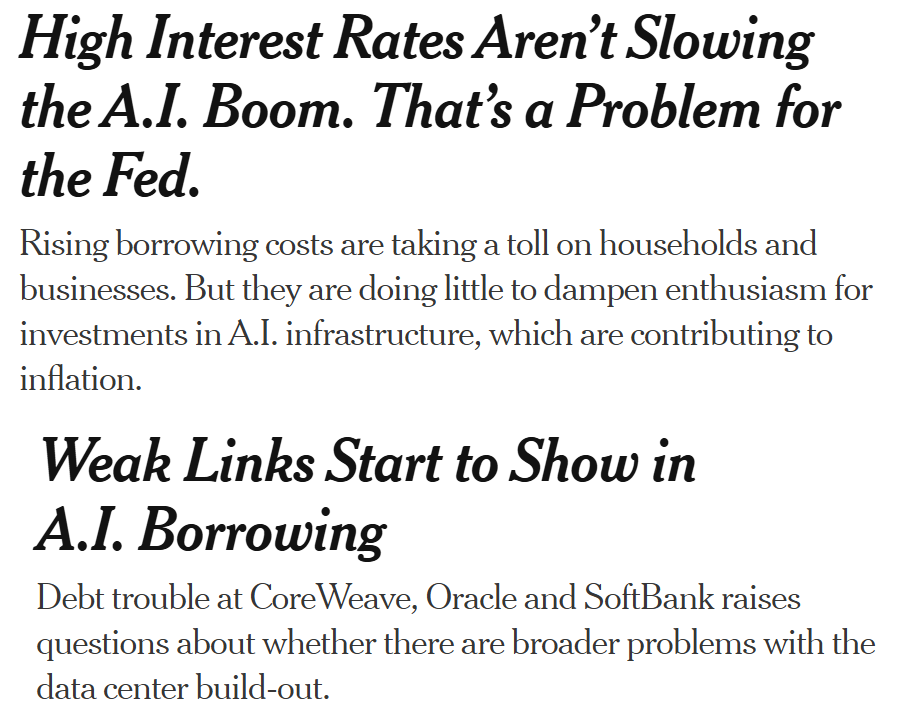
Technologists are supposed to know where their industry is headed. Yet the people who build and fund new technology have a long record of misjudging what comes next, and artificial intelligence looks like no exception. The lesson for investors is less about any single forecast and more about how little confidence a forecast deserves.
Look back at the internet. In 1998, economist Paul Krugman predicted that the web's effect on the economy would turn out to be no bigger than the fax machine's. He was badly wrong. The internet reshaped commerce, media and work. But the same era also produced spectacular overconfidence. Many investors assumed the winners were obvious and priced companies as if their growth would continue indefinitely. When the dot-com bubble burst, Cisco Systems, then one of the most valuable companies in the world, lost the vast majority of its share price and took years to recover its peak. The technology was real. The timing and the assumptions were not.
The pattern repeats because predicting technology involves at least three hard problems at once. First, you have to guess which invention will matter. Second, you have to guess how quickly people will adopt it. Third, you have to figure out who captures the profits, which is often not the original inventors. Each uncertainty compounds the others, so a forecast that looks reasonable on each individual point can still be wrong overall.
AI makes the problem harder. Costs, capabilities and business models are all changing quickly, and markets are pricing in a long run that nobody can observe yet. Some companies may earn enormous returns. Others may spend heavily on infrastructure that ends up cheaper or more widely available than expected. Both outcomes can coexist with a transformative technology.
For investors, the practical takeaway is to separate belief in a trend from confidence in a specific bet. You can think AI will matter a great deal over the next decade and still be cautious about paying a high price for any one company's version of that future. Diversification, position sizing and a willingness to revise views are more reliable tools than conviction about who wins. The insiders are often as unsure as everyone else, and that uncertainty is worth respecting.
Reporting based on an external source.