 Stakely
When Does Buying the Dip Stop Paying Off?
Strategy·November 20, 2026
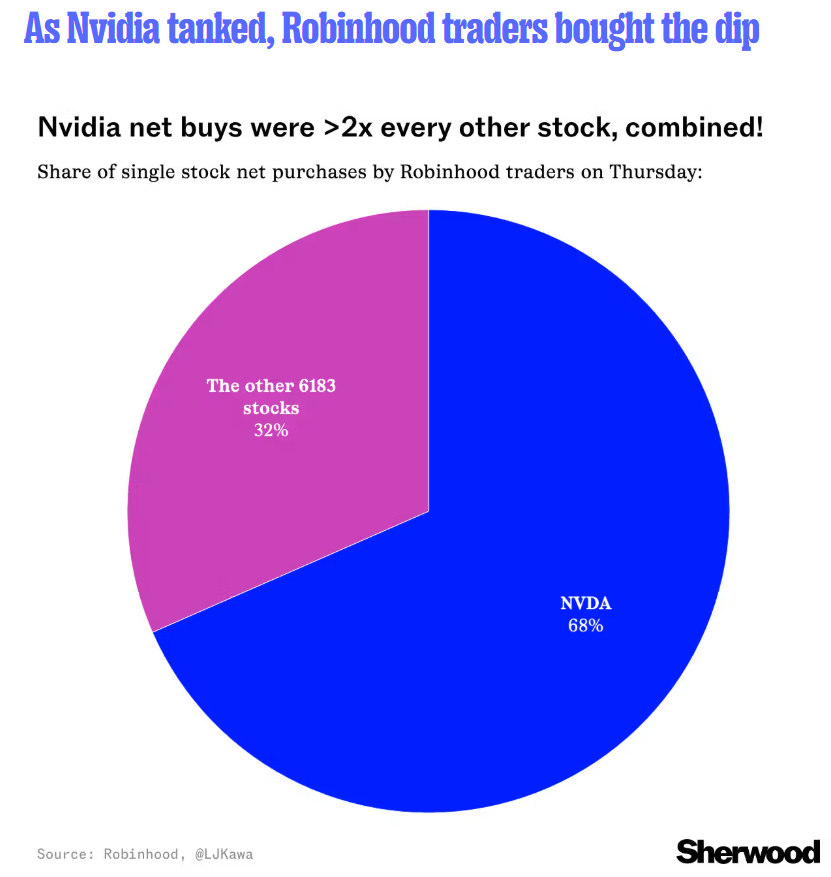
For much of the past decade, a simple reflex has paid off for investors: when stocks fall, buy. Many sharp declines recovered within a fairly predictable window, and those who added money on the way down were usually rewarded. The habit has become so ingrained that many people now treat any drawdown as a sale rather than a warning.
The obvious question is when that pattern stops working. Buying the dip rests on one assumption, that prices will eventually return to their previous path. That holds only as long as the businesses behind those prices keep earning, the economy keeps growing, and policymakers keep stepping in when things break. If any of those supports weakens, a dip can turn into the start of a longer decline.
Several conditions could change the math. Valuations far above historical norms leave less room for error, so a fall may have further to go before prices reach a level worth buying. Rising interest rates can pull money out of stocks by making bonds and cash more attractive. A recession that shrinks corporate profits, rather than a selloff driven mostly by fear, would test the idea that prices always bounce back quickly.
No one can name a date. The strategy has worked through many past cycles, and that track record is exactly why it feels safe. The real risk is not that it fails once, but that investors treat it as a rule and stop checking whether the reasons for the rally still hold. A better test is to ask what would have to be true for a decline to persist, and whether you could sit through a longer slump without being forced to sell.
Reporting based on an external source.