 Stakely
Single Stock Futures Explained: Leverage, Hedging and 23-Hour Trading
Derivatives·October 25, 2026
A new episode of the Talk Your Book podcast, published on A Wealth of Common Sense, takes a close look at a product many individual investors have never traded: single stock futures. The guest is Tim McCourt of CME Group, the exchange operator, and the conversation covers how the contracts work, why they trade on an extended schedule, and how they can be used for leverage and hedging.
A single stock future is a standardized contract tied to shares of one company. Instead of paying the full value of the stock, a trader posts margin, and that is where the leverage comes from. The same mechanic magnifies gains and losses relative to the cash committed, so the product carries risks that owning shares outright does not.
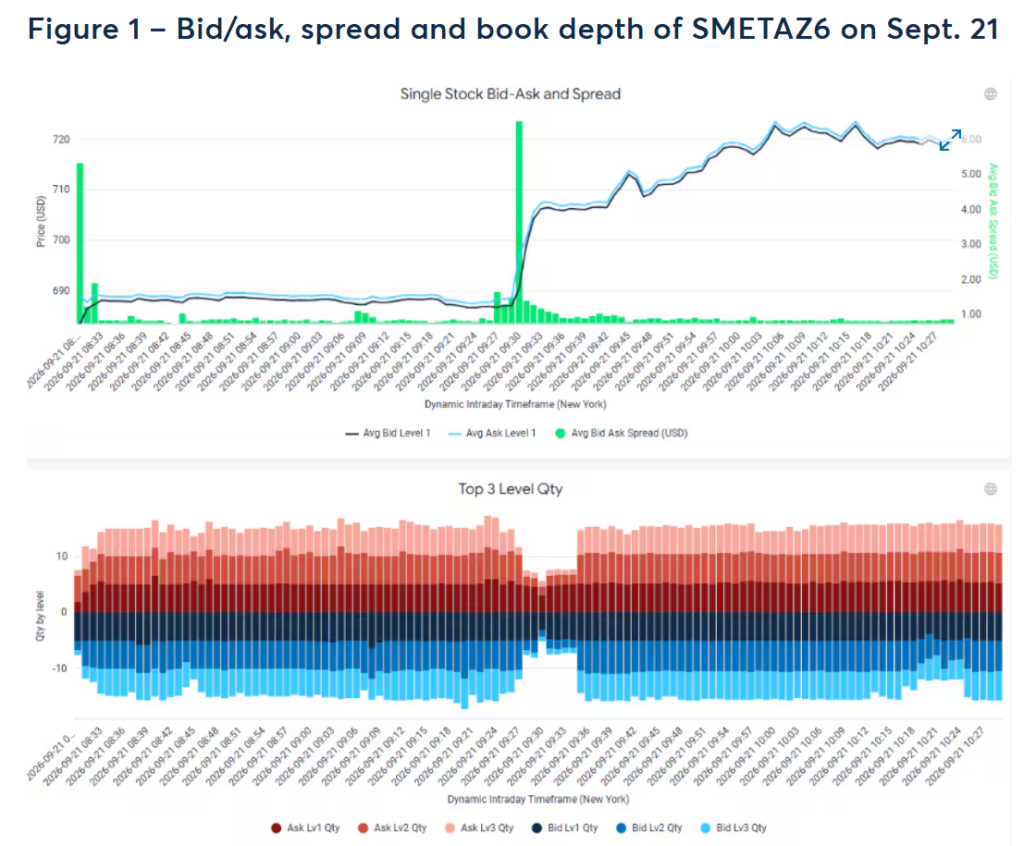
The trading schedule is another point of interest. Single stock futures on CME Group are described in the episode as trading 23 hours a day, five days a week. That lets participants respond to overnight news, such as earnings releases or events abroad, without waiting for the cash equity market to open at 9:30 a.m. Eastern. Liquidity can thin during some overnight stretches, so the extra hours are not the same as deep trading all day.
Hedging is the practical use that tends to come up in discussions like this. An investor worried about a short-term drop in a large holding can take an offsetting futures position rather than sell the shares, which keeps the underlying position intact. The tradeoff is that the hedge has its own margin requirements and can lose value if the stock moves against it, so it needs to be monitored like any other position.
The episode reads best as an introduction rather than a recommendation. Single stock futures are a tool for traders and institutions with a clear plan, and anyone considering them should understand margin calls, contract specifications and how the product differs from holding the stock. The full discussion is available through the podcast feed.
Reporting based on an external source.