 Stakely
Higher Rates Are Rewriting the Commercial Real Estate Playbook
Real Estate·October 5, 2026
Commercial real estate is living through a very different rate environment than the one that powered the last decade of returns, and investors are still working out what that means for their portfolios. That was the central theme of a recent Talk Your Book conversation with Jerry Baglien of Benefit Street Partners, a firm active in real estate credit.
The discussion covered a broad sweep of the sector: how higher mortgage rates change the math on property deals, why the office market remains in a prolonged bear phase, and how the cost of capital feeds directly into the returns investors can expect.
The mechanics are straightforward even if the consequences are not. When borrowing costs rise, the income a property generates has to cover more expensive debt. That squeezes valuations, limits how much leverage buyers can use and slows transactions as buyers and sellers disagree on price. Deals that penciled out comfortably when money was cheap often no longer do.
Office has taken the hardest hit. Higher financing costs have collided with a structural shift in how and where people work, leaving owners of older or poorly located buildings facing weak demand and refinancing walls. Baglien's discussion framed the sector as a bear market rather than a brief dip, a distinction that matters for anyone deciding whether to treat falling prices as an opportunity or a warning.
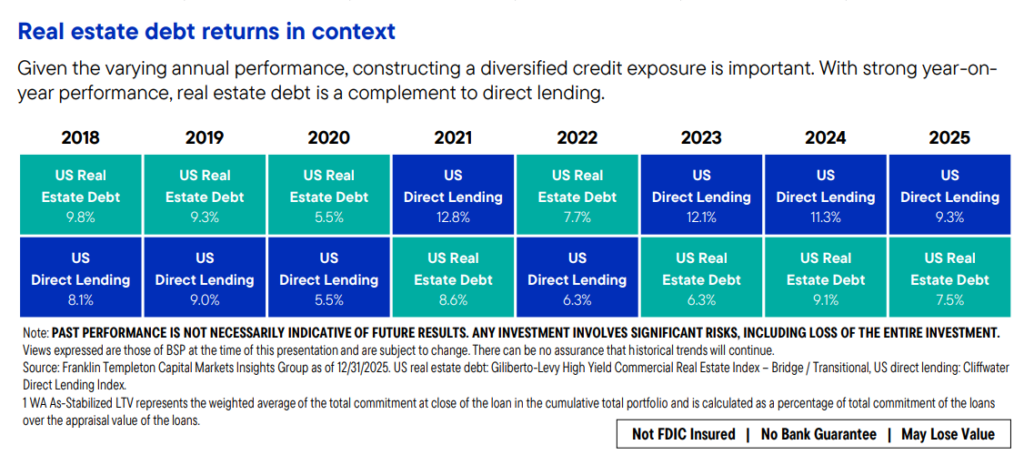
For investors, the takeaway is that rates now sit at the center of every real estate decision. Property type, location and the quality of a sponsor still matter, but the cost and availability of debt increasingly determine who gets paid and who gets squeezed. That also creates openings. Lenders and credit-focused investors can often negotiate stronger terms and higher yields when traditional sources of capital pull back, which is part of the case firms like Benefit Street make for real estate debt.
None of this makes the sector uniformly risky or uniformly attractive. Apartments, industrial space and other segments have behaved very differently from offices, and the gap between the best and worst assets has widened. Investors weighing exposure, whether through funds, listed vehicles or private credit, are being pushed to look closely at what they own and how it is financed.
The takeaway from the conversation is a practical one. In a higher-rate world, commercial real estate rewards selectivity and an understanding of the capital structure, not just a bet on the asset class as a whole.
Reporting based on an external source.