 Stakely
Bull vs. Bear: What Market Swings Really Mean for Investors
Investing Basics·November 12, 2026
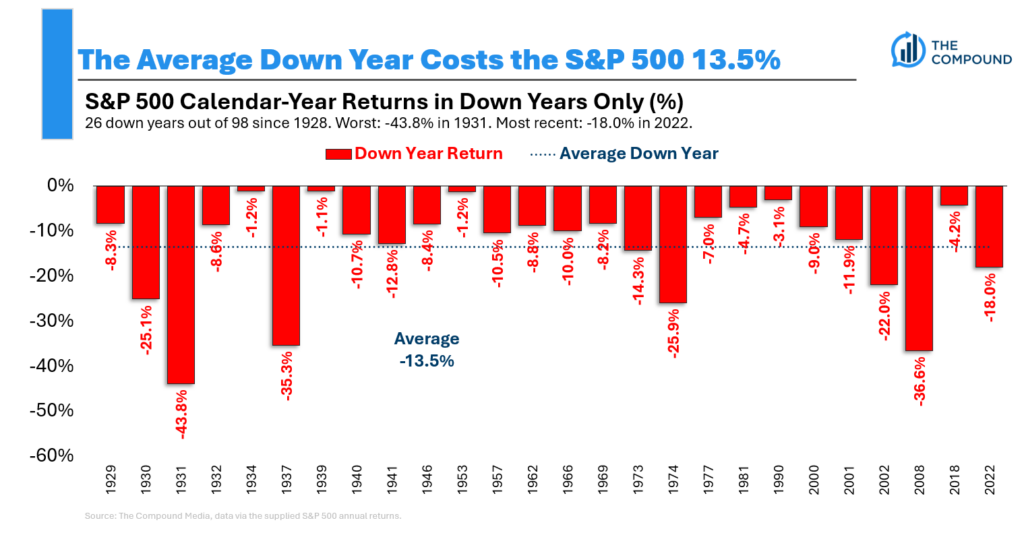
Wall Street borrowed two animals to describe the mood of the market, and most investors hear the terms so often they rarely stop to ask what they mean. The bull is said to thrust its horns upward, the bear to swipe its paws downward. A bull market is a stretch when prices rise, usually fueled by optimism, growing corporate profits and a willingness to buy. A bear market is the reverse: a prolonged slide that pushes investors toward the exits.
The most common rule of thumb defines a bear market as a decline of 20 percent or more from a recent peak, typically measured against a broad index such as the S&P 500. A bull market is generally measured the other way, as a rise of 20 percent or more from a recent low. The threshold is a convention rather than a law of nature. It gives commentators a shared vocabulary, but a 19 percent drop can feel just as painful to an investor as a 21 percent one.
History shows that bear markets differ widely in depth and duration. The 2007 to 2009 financial crisis saw the S&P 500 lose more than half its value. The dot-com bust from 2000 to 2002 erased roughly half the index as well. The downturn that accompanied the COVID-19 outbreak in early 2020 was far sharper but much shorter, with prices falling about a third in roughly a month before recovering to new highs within months. Each episode had different triggers, yet they shared a familiar pattern: fear feeding on itself until the selling exhausted itself.
Bull markets have tended to last longer than bear markets. Across the long history of U.S. stocks, the gains made during expansions have generally outweighed the losses during downturns, which is one reason long-term investors are encouraged to stay invested. Bull phases rarely feel comfortable while they are happening, though. Skeptics warn about overvaluation, and some of the sharpest rallies begin when pessimism is still widespread.
For individual investors, the practical question is not how to predict which phase is coming next, since that is notoriously difficult even for professionals. It is how to build a portfolio that can survive either one. Diversifying across asset classes, keeping an emergency fund so you are not forced to sell during a downturn, and matching stock exposure to your time horizon are the standard answers. Someone who needs money within a few years may need a more conservative mix than a person saving for retirement decades away.
Bear markets also serve as a reminder that paper losses become real only when shares are sold. Many investors who sold near the bottoms in 2008 or 2020 missed the recoveries that followed. Knowing the terms does not remove the discomfort of a falling market, but it adds context. The label describes a phase of the market, not a permanent condition, and both bulls and bears have always eventually given way to the other.
Reporting based on an external source.